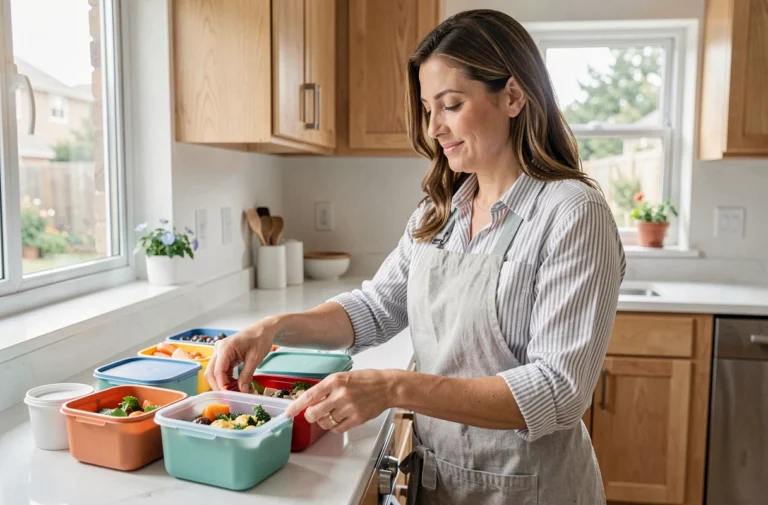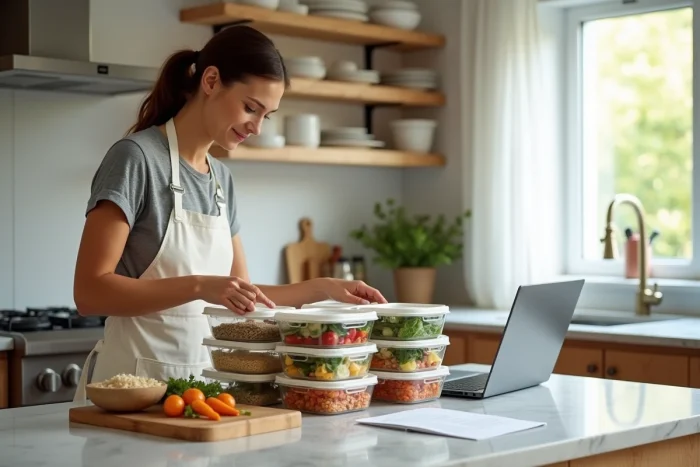
Batch cooking refers to the bulk preparation of several meals in a single cooking session, usually on the weekend. This method now appeals to a much broader audience than just meal prep enthusiasts. According to the “Eaters in Transition” report from INRAE and IRSTEA published in 2023, bulk meal preparation is cited as a way to reduce the daily pressure of evening meals, more than just a simple time optimization tool.
Downloading a dedicated PDF guide for batch cooking helps structure this approach. Feedback from the field varies on the actual time saved during the week, but the framework provided by a reference document helps avoid improvisation in front of a refrigerator filled with raw ingredients.
Storage of Prepared Dishes: What ANSES Says About Food Safety
Most batch cooking guides focus on recipes and planning, without addressing health limits. However, ANSES updated its recommendations in 2023 in an opinion on the safety of meals prepared in advance at home. The guidelines are clear: a cooked dish must be stored at +4 °C and consumed within 3 days.
Some foods pose specific issues. Cooked rice, pasta, and egg-based preparations should not be stored beyond this limit due to the risk of Bacillus cereus or salmonella proliferation. This point is rarely mentioned in public guides, even though it directly affects the number of meals you can reasonably prepare in one session.
In practical terms, preparing five dinners on Sunday for the entire week implies freezing the dishes from Thursday and Friday. Without freezing, three days of meals represent the safety limit for most homemade preparations. If you consult a free batch cooking pdf guide, make sure it incorporates these storage constraints into its planning.

Batch Cooking and Mental Load: Why Logistics Matter as Much as Recipes
The INRAE report highlights an underestimated aspect: batch cooking functions as a strategy for managing domestic workload, particularly among working women. The issue is not just about cooking quickly, but about eliminating the daily decision of “what are we eating tonight.”
A structured PDF guide meets this need because it sets the menus, shopping list, and order of preparations. The gain is not only measured in minutes spent in the kitchen. It also lies in the elimination of repeated micro-decisions that, when accumulated over a week, generate real cognitive fatigue.
However, this approach has its limits. Planning meals for five days requires knowing in advance the constraints of each evening (absences, unforeseen events, leftovers from the previous night). An overly rigid schedule generates food waste when the planned meals no longer match the reality of the week. The most useful guides incorporate adaptable recipes, where the prepared vegetables and starches can be assembled differently depending on the evenings.
Structuring an Effective Batch Cooking Session: Concrete Steps
A batch cooking session generally lasts two to three hours. The principle relies on centralizing cooking methods: running the oven for two dishes simultaneously, cooking grains while roasting vegetables, preparing sauces in parallel.
The steps that make the difference between a productive session and a chaotic afternoon:
- Plan the week’s menus starting with the seasonal vegetables available, then complete with proteins and starches. A precise shopping list avoids impulsive purchases and duplicates.
- Group cooking by type: everything that goes in the oven at the same time, all boiling or steaming cooking in parallel. This sequencing reduces the total time spent in the kitchen.
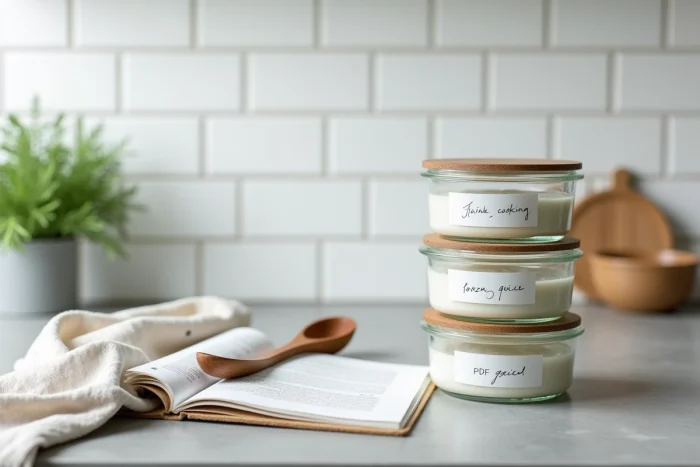
- Immediately package dishes in airtight containers (ideally glass), label with the preparation date, and clearly separate portions for the refrigerator and freezer.
- Quickly cool preparations before placing them in the refrigerator. A dish left at room temperature for more than two hours promotes bacterial growth.
Which Dishes Are Best Suited for Advance Preparation
Not all recipes withstand three days of storage. Soups, curries, cooked legumes, and sauces often gain flavor after a day or two in the refrigerator. Conversely, composed salads and crunchy vegetables lose their texture.
Saucy dishes and cooked grains form the most reliable base for batch cooking. Plain rice, roasted squash, and cooked chicken can give rise to three different meals depending on the seasoning and sides chosen each evening.
Batch Cooking and Health Prevention: A Use That Goes Beyond Everyday Cooking
Batch cooking is increasingly integrated into workplace health prevention programs. The booklet published by the Interprofessional Health Service of West Normandy, distributed through the Flora Tristan high school, offers recipes tailored to professional activity along with nutritional advice. This type of document shows that bulk meal preparation is now seen as a public health lever, not just a culinary trend.
This orientation has a practical consequence on the content of available PDF guides. The most comprehensive documents do not limit themselves to lists of recipes: they incorporate guidelines on the balance between proteins, starches, and vegetables at each meal, and recommendations on portion sizes. A free batch cooking PDF guide that ignores these nutritional aspects remains a simple recipe collection, not a food planning tool.
The choice of a guide depends on what you expect from it. For an approach focused on time savings, a document with weekly menus and a shopping list is sufficient. For an approach that also aims for dietary balance and risk management, guides that incorporate ANSES recommendations on storage offer a more comprehensive and reliable framework.